Figma to Code
Pixel-faithful front-end from approved frames — spacing, type, states, and breakpoints implemented with discipline.
Semantic structure and accessibility are part of the build, not a cleanup pass.
We turn approved designs — ours or yours — into production code that matches the file. Figma to Code — including Figma to HTML — for WordPress or any other frontend.

Design to Code is how we implement UI: semantic HTML, modern CSS and JavaScript, accessible patterns, and responsive parity with the Figma source. The target can be a static or app frontend, a WordPress theme, Shopify Liquid, or a headless consumer — Figma to Code is the method; the stack follows the brief.
We do not hide complexity in page builders. You get maintainable templates and components, performance considered against design weight, and documentation so your team can ship campaigns without breaking the system. When the interface still needs designing, UX/UI design runs in the same engagement.
Pixel-faithful front-end from approved frames — spacing, type, states, and breakpoints implemented with discipline.
Semantic structure and accessibility are part of the build, not a cleanup pass.
Breakpoint fidelity Desktop and mobile checked against Figma — components do not become separate products per viewport.
States & interaction Hover, focus, error, and empty states shipped with the templates, not left as “polish later.”
Media & fonts Hero imagery, font loading, and interaction cost scoped early so Core Web Vitals are not a surprise after launch.
Lean CSS & JS Components built for reuse without a global script tax. We link deep remediation to Core Web Vitals when the engagement needs it.
Documented components Naming, fields, and extension points written so your team extends the system — they do not reverse-engineer a builder export.
No mystery builders Semantic HTML and maintainable CSS/JS. Complexity stays in code you can own.

Templates, blocks, and editor fields that match the design so marketing can publish without opening a ticket for every headline.
Lean themes — commercial or custom — tuned and stripped of bloat before launch.
Custom themes Templates and components from approved Figma — editor fields that match the design without page-builder debt.
Lean commercial themes Parent/child setups stripped of unused kits so editors get speed without a widget pile.
Fields & patterns Reusable sections and documented patterns marketing can own after launch.
Governance What is locked versus flexible — so campaigns ship fast without breaking the system. Deeper CMS architecture pairs with WordPress Development.
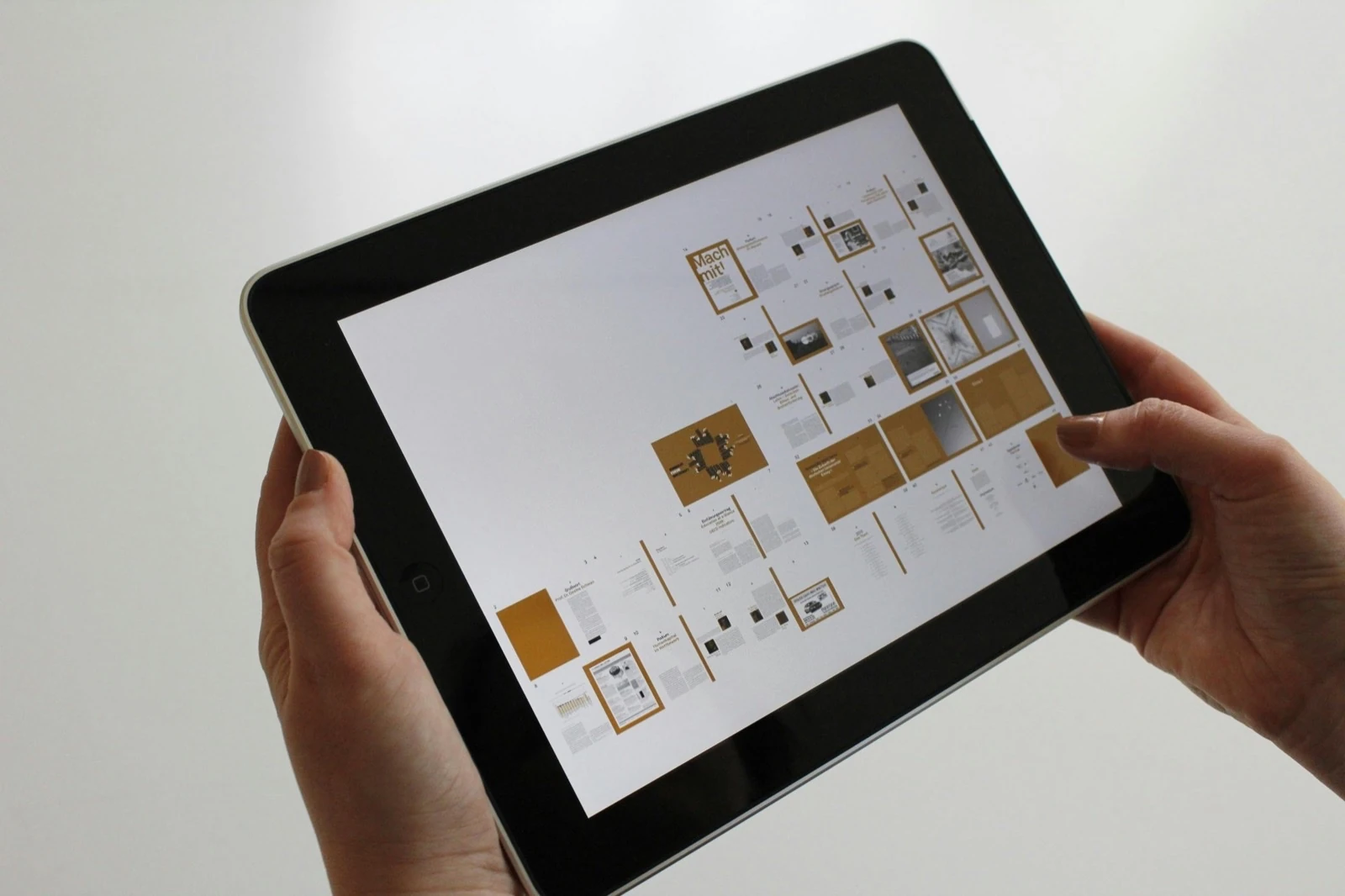
Static sites, modern JS frontends, Shopify themes, or headless public layers — same quality bar.
When design comes from an external agency, we implement with the same fidelity we use on our own UX/UI work.
Static & JS apps HTML/CSS/JS or React/Next when the brief needs interaction cost and edge delivery — same pixel discipline as a classic theme.
Headless consumers Public layers fed by WordPress or another CMS when the marketing site needs a modern stack.
Shopify Liquid Storefront themes implemented from Figma with careful app choices so templates stay fast.
Storefront fidelity Catalog and checkout templates that match the design — deeper commerce work lives under E-Commerce.
WordPress builds, ecommerce, and performance that survives launch.
Custom themes, plugins, headless frontends, migrations, integrations, and senior support — one accountable build partner.
See WordPress buildsFigma to Code — production HTML/CSS/JS, WordPress, or another frontend stack. Pixel-faithful, without page-builder bloat.
See Design to CodeWooCommerce and Shopify stores built to convert and stay fast under catalog and campaign load.
See ecommerceRanked audits, hands-on remediation, and before/after on the URLs that matter.
See Core Web VitalsWe reply with a prioritized technical backlog — performance, stability, and conversion friction called out explicitly.